Accueil / Actualités / How Panel Thickness and Insulation Value Affect Temperature Control in Cleanrooms

How Panel Thickness and Insulation Value Affect Temperature Control in Cleanrooms

Jan. 01, 1970
Partager:

How Panel Thickness and Insulation Value Affect Temperature Control in Cleanrooms

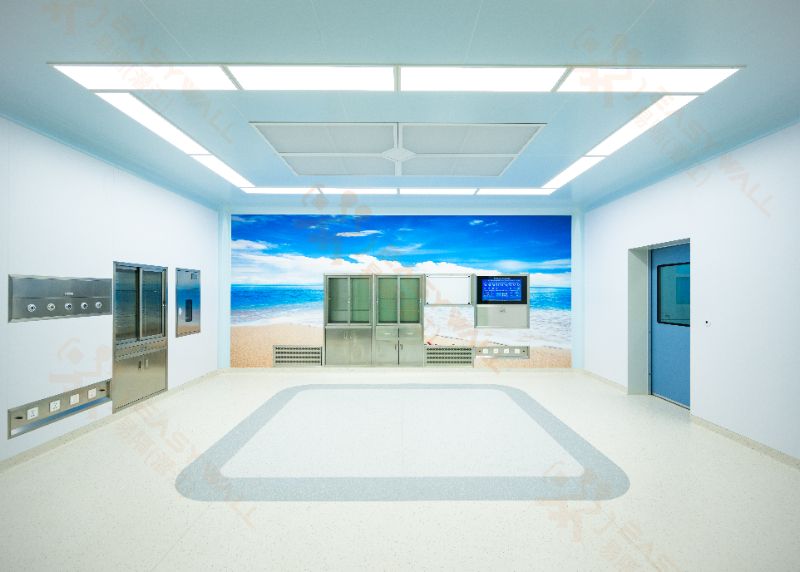
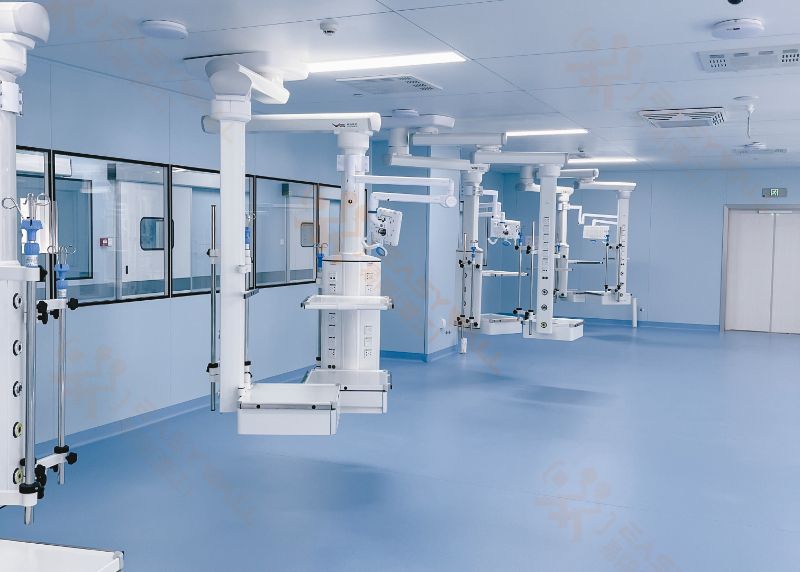
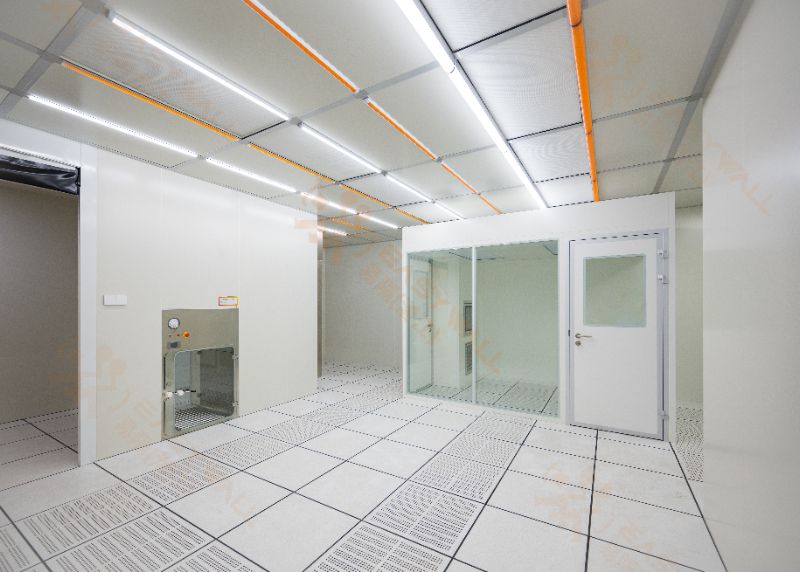
Cleanroom professionals encounter frequent challenges due to temperature fluctuations, impacting their operational efficiency and product quality. The core of these issues often lies in the panel thickness and the insulation value of cleanroom walls. For instance, users have reported temperature variances exceeding 5 degrees Celsius in cleanrooms not equipped with adequate insulation. Implementing the right Cleanroom Sandwich Panel can mitigate these fluctuations, optimizing process reliability. This article will explore the engineering behind cleanroom panels, providing real-world case studies and actionable solutions for cleanroom environments that face temperature control issues.

Required Preparation: Understanding Cleanroom Sandwich Panels

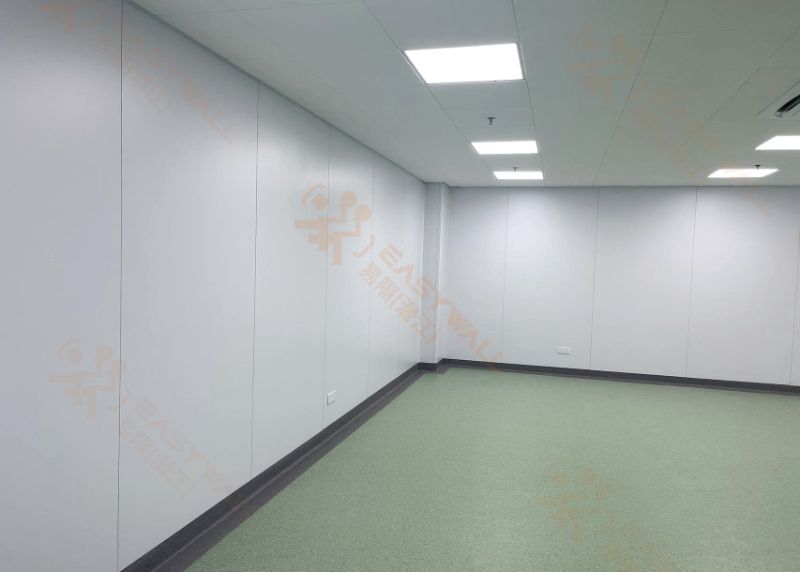
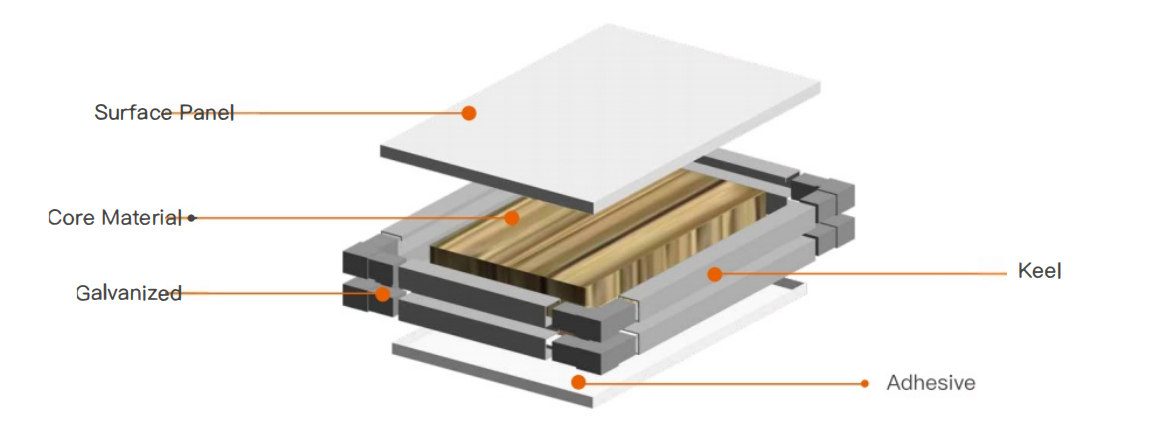
To effectively tackle temperature control in cleanrooms, it is crucial to grasp the essentials of cleanroom sandwich panels. These panels consist of an insulating core, often made from materials like polyurethane or EPS, sandwiched between two outer layers, usually constructed of steel or other durable materials. A typical cleanroom panel may have a thickness ranging from 50 to 200mm, with an R-value (thermal resistance) that can reach up to 8.0. Below are the materials and tools you'll need:
  1. Materials:
    • High-quality sandwich panels (R-value between 4.0 and 8.0)
    • Insulation materials (polyurethane or EPS)
    • Sealants and fixation hardware
  2. Tools:
    • Measuring tape
    • Drill
    • Level
    • Personal protective equipment (PPE)

Step-by-Step Guidance to Optimize Temperature Control

  1. Assess Current Temperature Variability: Begin by measuring the current temperature in your cleanroom. Use calibrated thermometers placed strategically throughout the facility to identify areas experiencing higher fluctuations.
  2. Evaluate Your Current Panels: Inspect your existing cleanroom sandwich panels to assess their thickness and insulation R-value. Consider that panels below 75mm thickness may be inadequate for high-precision environments.
  3. Select Appropriate Panels: Choose panels with a higher R-value to improve temperature retention. For example, replacing a 50mm panel with a 100mm one can reduce thermal loss by approximately 50%.
  4. Install New Panels: Ensure that installation follows strict guidelines. Use sealants effectively to fill any gaps that could lead to air leaks and further temperature fluctuations.
  5. Conduct Post-Installation Testing: After installation, monitor the cleanroom temperature over a few days. Studies show that adequate insulation can stabilize temperatures within a +/- 1-degree Celsius range, significantly improving product stability.
How Panel Thickness and Insulation Value Affect Temperature Control in Cleanrooms

Common Errors and Solutions

While upgrading cleanroom sandwich panels, various errors can arise:

  • Inadequate Sealing: If the seals around panels are not airtight, thermal efficiency decreases. To solve this, ensure high-quality sealants are used, and perform an air leakage test post-installation.
  • Failure to Account for Load: Some users neglect to factor in the weight and load of equipment when installing panels. Always review the load capacities of both panels and infrastructure.
  • Ignoring Professional Guidelines: Some may choose DIY installation to save costs. Hiring experienced installers can ensure compliance and enhance efficiency.

Summary and Suggestions

Temperature control in cleanrooms is heavily dependent on the thickness and insulation value of sandwich panels. Opting for panels with higher R-values not only stabilizes environmental conditions but also enhances overall product quality. For best results, choose panels from reputable brands like Easywall, which offer efficient thermal properties and customizable solutions. Regular evaluations and proper installation are crucial for maintaining optimal temperature control.

FAQ

What is the ideal thickness for cleanroom panels?
The ideal thickness typically ranges from 100mm to 200mm, depending on the level of control required in your cleanroom environment.
How do insulation values impact energy consumption?
Poor insulation leads to increased energy costs. For instance, a cleanroom with an R-value of 2.0 might consume 30% more energy compared to a similar environment with an R-value of 8.0.
Can insulation issues affect cleanroom certification?
Yes, inadequate insulation can lead to temperature deviations that may result in non-compliance with cleanroom standards, risking certification.

Dernières actualités

How to Calculate Total Cost of Ownership for a Modular Cleanroom System vs Conventional Build

How to Calculate Total Cost of Ownership for a Modular Cleanroom System vs Conventional Build

How to Calculate Total Cost of Ownership for a Modular Cleanroom System vs Conventional Build Jan. 01, 1970
Lead Time and Project Timeline Expectations When Ordering a Modular Cleanroom System

Lead Time and Project Timeline Expectations When Ordering a Modular Cleanroom System

Lead Time and Project Timeline Expectations When Ordering a Modular Cleanroom System Jan. 01, 1970
ISO Compliance and Validation Considerations When Installing a Modular Cleanroom System

ISO Compliance and Validation Considerations When Installing a Modular Cleanroom System

ISO Compliance and Validation Considerations When Installing a Modular Cleanroom System Jan. 01, 1970
Key HVAC and Airflow Integration Requirements for Modular Cleanroom Installations

Key HVAC and Airflow Integration Requirements for Modular Cleanroom Installations

Key HVAC and Airflow Integration Requirements for Modular Cleanroom Installations Jan. 01, 1970
What to Evaluate When Selecting a Modular Cleanroom System for Pharmaceutical Production

What to Evaluate When Selecting a Modular Cleanroom System for Pharmaceutical Production

What to Evaluate When Selecting a Modular Cleanroom System for Pharmaceutical Production Jan. 01, 1970

Notre emplacement

n° 168, Z iguang road, Q Ian will, hu quilt, République populaire de Chine

Contact rapide

aria@easywalltec.com leo@easywalltec.com

Nous vous répondrons dans les 24 heures ou appelez-nous tous les jours de 9h00 à 12h00

+86 139 6255 5162

Demandez un devis

L'innovation technologique, la qualité des produits sont l'âme de l'entreprise, la demande du marché, la satisfaction des clients est la vie de l'entreprise

  • Aerospace/Aviation
  • Automotive
  • Education
  • Electronics
  • Food
  • Government/Military
  • Medical
  • Medical Devices
  • Optics
  • Pharmaceutical/Biotech
  • Science/Research
  • Wafer
  • Other