When I select a cleanroom panel core, I begin with the required fire rating, humidity exposure, ISO classification, GMP controls, structural load, thermal performance, acoustic needs, cleaning chemicals, and budget. The right cleanroom panel core material is not automatically the least expensive or the best-insulating option; it must match the facility’s operating risks and validation requirements.
!
A cleanroom panel core material is the internal layer placed between two protective facings, commonly pre-painted steel, galvanized steel, stainless steel, aluminum, or glass-reinforced plastic. The core influences the panel’s thermal insulation, fire behavior, acoustic performance, weight, moisture resistance, structural strength, and overall cost. The facing controls cleanability and chemical resistance, while the core affects the panel’s internal performance.
I treat the panel core as one part of a complete wall or ceiling system rather than as an isolated product. A cleanroom wall system also includes joints, sealants, trims, doors, windows, penetrations, ceiling suspension, and interfaces with HVAC equipment. A technically suitable core can still fail in service if joints leak, sealants degrade, or the surface cannot tolerate the facility’s cleaning chemicals.
I use the following sequence when selecting a cleanroom sandwich panel core material.
First, I document the room classification, temperature range, relative humidity, pressure differential, cleaning frequency, chemical agents, and process hazards. ISO 14644-1 defines airborne particle cleanliness classes, but it does not independently determine the best panel core. A pharmaceutical Grade A or ISO Class 5 area may require tighter construction control than a storage room, even when both use insulated panels.
For GMP facilities, I also check whether the surface must support routine cleaning, disinfection, visual inspection, and contamination control. Food processing rooms may require resistance to washdown, condensation, organic acids, detergents, and repeated thermal cycling. Electronics facilities may place greater emphasis on particle shedding, electrostatic control, dimensional stability, and low contamination risk.
Fire safety should be evaluated using the applicable building code and documented test standard rather than a general statement such as “fire resistant.” Common references include ASTM E84 for surface-burning characteristics and EN 13501-1 for reaction-to-fire classification. The exact requirement depends on building location, occupancy, insurance conditions, local approval, panel thickness, facing construction, joints, and complete assembly design.
Rock wool and mineral wool cores are commonly selected when non-combustibility and fire resistance are major priorities. PIR can provide improved fire performance compared with standard polyurethane or EPS, but the final classification must be confirmed for the specific panel assembly. EPS should not be selected for a fire-rated application without test documentation covering the finished panel, facings, joints, and installation method.
Thermal performance affects HVAC energy use, condensation control, room recovery time, and temperature stability. I compare declared thermal conductivity, panel thickness, joint design, thermal bridging, and the required U-value instead of comparing core names alone.
Indicative thermal conductivity ranges are often approximately 0.020–0.028 W/m·K for PIR, 0.035–0.045 W/m·K for EPS, and 0.035–0.045 W/m·K for mineral wool, although actual values vary with density, temperature, aging, moisture, and test method. Many cleanroom panels are produced in thicknesses from approximately 50 mm to 150 mm, but cold rooms and low-temperature areas may require thicker construction or a separate envelope design.
PIR usually provides more insulation per millimeter than rock wool or EPS. However, the lowest declared conductivity does not automatically produce the lowest operating cost because air leakage, door openings, HVAC efficiency, and condensation at joints can dominate total energy use.
Moisture resistance is essential in high-humidity rooms, food processing areas, cold rooms, laboratories, and facilities using wet cleaning. I review the core’s water absorption, vapor behavior, edge protection, joint sealant, and facing compatibility. The panel should be assessed under the expected temperature and humidity cycle, not only under dry laboratory conditions.
PIR generally provides low water absorption when the panel is properly faced and sealed. EPS can absorb moisture through damaged edges or poorly sealed joints, reducing insulation performance over time. Mineral wool is not inherently moisture-proof; it requires suitable facings, edge protection, and joint detailing to prevent water entry and loss of thermal performance.
Cleaning chemicals must also be tested against the facing and sealant. Hydrogen peroxide, peracetic acid, chlorine compounds, quaternary ammonium disinfectants, alcohols, alkaline detergents, and acidic cleaners can affect coatings differently. I request chemical compatibility data for the exact concentration, contact time, temperature, and cleaning frequency used at the facility.
Cleanroom panels are not normally intended to replace a primary structural wall, but they still need adequate stiffness, impact resistance, and fixing capacity. I check the panel span, support spacing, wind load, ceiling suspension, service penetrations, door openings, and equipment attachment points. Ceiling panels require particular attention because lights, filters, sprinkler components, cable trays, and maintenance loads may impose concentrated forces.
Rock wool and mineral wool generally provide better sound absorption than closed-cell foam cores because their fibrous structure dissipates acoustic energy. This may benefit laboratories, healthcare areas, biotechnology rooms, and production spaces containing pumps, fans, compressors, or high-noise equipment. PIR and EPS are usually selected more for thermal performance and low weight than for acoustic absorption.
The following comparison helps me separate the main options according to measurable selection priorities. Final values should come from the supplier’s test reports for the proposed thickness, density, facings, joints, and installation method.
| Core material | Thermal insulation | Fire performance | Moisture resistance | Acoustic performance | Structural characteristics | Relative initial cost |
|---|---|---|---|---|---|---|
| PIR | Very high; commonly about 0.020–0.028 W/m·K | Good to very good depending on assembly classification | Good when sealed and correctly faced | Low to moderate | Low panel weight and good stiffness | Medium to high |
| EPS | Moderate; commonly about 0.035–0.045 W/m·K | Limited unless specially formulated and tested | Moderate; edges require protection | Low | Low weight and easy handling | Low |
| Rock wool | Moderate; commonly about 0.035–0.045 W/m·K | Very good; often selected for non-combustible construction | Moderate when protected from water | Good to very good | Higher density and panel weight | Medium |
| Mineral wool | Moderate; commonly about 0.035–0.045 W/m·K | Very good when tested as an assembly | Moderate with suitable facings and seals | Good to very good | Good rigidity, heavier than foam cores | Medium |
| Honeycomb | Low to moderate, depending on fill and facing | Depends strongly on core and facings | Depends on cell material and edge sealing | Low | Very light with good bending stiffness | Medium to high |
When I compare PIR versus rock wool cleanroom panels, PIR normally offers stronger insulation at a lower thickness and lower installed weight. That can simplify handling, reduce the required panel depth, and support temperature-controlled rooms where HVAC loads are significant. Rock wool normally offers stronger fire and acoustic characteristics, but its higher density increases transportation, handling, suspension, and installation requirements.
For pharmaceutical manufacturing, PIR may be suitable where thermal stability, cleanability, and low panel weight are central requirements, provided the assembly meets the required fire classification. For areas with elevated fire risk, acoustic separation, or strict non-combustibility requirements, rock wool or mineral wool may be the more appropriate starting point.
EPS is often considered for budget-sensitive construction because its initial panel price may be lower. However, I compare more than purchase price: I also check fire documentation, moisture behavior, chemical exposure, panel thickness, replacement risk, and suitability for the intended room classification.
PIR generally provides lower thermal conductivity and may achieve the required insulation level with a thinner panel. EPS can remain practical for selected low-risk applications, temporary facilities, or controlled environments where the building code, process conditions, and client specifications permit it. It should not be treated as a universal substitute for PIR.
Different facilities impose different priorities, so I use an application-based decision matrix before requesting quotations.
| Facility or application | Primary priorities | Usually suitable core direction |
|---|---|---|
| Pharmaceutical manufacturing | GMP cleaning, low particle shedding, airtight joints, thermal stability, documented fire performance | PIR or mineral wool based on fire and process requirements |
| Biotechnology rooms | Chemical resistance, humidity control, acoustic control, cleanable surfaces | PIR, rock wool, or mineral wool |
| Healthcare areas | Fire safety, acoustics, cleanability, impact resistance | Rock wool, mineral wool, or tested PIR |
| Food processing | Washdown, condensation control, chemical resistance, hygiene | Sealed PIR or suitable mineral wool system |
| Electronics and semiconductor rooms | Low particle shedding, dimensional stability, thermal control | PIR or honeycomb with tested facings |
| Laboratories | Chemical compatibility, acoustic control, service integration | PIR, rock wool, or mineral wool |
| Cleanroom ceilings | Low weight, suspension loading, access requirements, fire performance | PIR or honeycomb for low weight; mineral wool for fire and acoustic priorities |
| High-humidity environments | Moisture protection, vapor control, sealed joints, drainage | Properly faced and sealed PIR or protected mineral wool |
| Low-temperature rooms | Low thermal conductivity, vapor control, condensation resistance | PIR, often with increased thickness and carefully sealed joints |
The best material for cleanroom walls is therefore determined by the room’s risk profile rather than by one universal product category. A pharmaceutical wall may prioritize cleanability and validation, while a hospital corridor may prioritize fire resistance and sound control. A food-processing wall may need stronger washdown and moisture protection than a dry electronics room.
I compare total cost of ownership instead of selecting the lowest quotation. The initial price normally includes the panel, trims, sealants, fasteners, delivery, and installation, but the long-term cost also includes cleaning, energy use, repairs, validation, downtime, replacement, and contamination-related risk.
For an early budget, cleanroom sandwich panel costs may vary widely by facing, thickness, core, joint profile, project quantity, region, accessories, and installation conditions. A useful comparison should show at least these cost categories:
| Cost category | Questions I ask |
|---|---|
| Initial purchase | What is the price per square meter for the complete panel assembly? |
| Installation | Does the weight affect labor, lifting equipment, or ceiling suspension? |
| Energy | What U-value and thermal-bridge performance will the system deliver? |
| Cleaning | Can the surface tolerate the actual chemicals and cleaning frequency? |
| Repairs | Can damaged facings, joints, and corners be repaired without dismantling large areas? |
| Validation | Are fire, particle, airtightness, pressure-decay, and chemical test documents available? |
| Replacement | What is the expected service interval under the facility’s operating conditions? |
| Contamination risk | Could moisture entry, surface shedding, or joint failure cause product loss or shutdown? |
A lower-priced EPS panel can become more expensive if it requires earlier replacement, additional fire protection, thicker construction, or extensive validation work. A heavier mineral wool system can also raise installation costs through extra handling and ceiling support requirements. The correct comparison is the cost of the complete validated room system over its planned service life.
Before approval, I request documented testing for the full panel assembly rather than relying only on a core-material brochure. The documentation should identify panel thickness, core density, facing material, joint configuration, sealants, test method, laboratory, sample construction, and test date.
At minimum, I check:
I also require an installation inspection plan. The inspection should record panel alignment, joint width, sealant continuity, fastener placement, corner detailing, penetrations, door interfaces, ceiling supports, and damage repairs. For regulated facilities, these records can support commissioning, qualification, and later maintenance reviews.
When I evaluate a supplier, I look for evidence that the company can provide a complete cleanroom wall and ceiling system rather than only loose panels. Product coordination matters because doors, windows, trims, pass boxes, ceiling components, and equipment penetrations must connect without creating contamination traps or air leaks.
Easywall presents Clean Room Wall Panels, doors, windows, cleanroom equipment, and modular solutions for pharmaceutical, laboratory, biotechnology, healthcare, electronics, and other controlled environments. Its published company information identifies a factory area of 23,300 square meters, service coverage in more than 38 countries, and more than 78 annual projects completed by 2024. I would still request project-specific evidence, including core specifications, fire reports, chemical compatibility data, cleanroom references, and installation documentation before final approval.
To understand How to Choose the Right Cleanroom Panel Core Material, I match the core to fire safety, moisture exposure, ISO and GMP requirements, thermal performance, acoustic needs, structural loading, cleaning chemicals, and total ownership cost. PIR is often the practical choice for strong insulation and lower panel weight, while rock wool or mineral wool is more suitable when fire resistance and acoustic absorption receive greater priority. EPS can fit selected cost-sensitive applications, but its fire and moisture limitations require documented review, and honeycomb cores are better reserved for designs where low weight and bending stiffness are important.
My next step would be to prepare a room-by-room schedule listing temperature, humidity, pressure, cleaning agents, fire classification, panel thickness, ceiling loads, and validation tests. I would then request comparable quotations for the complete system, including panels, joints, trims, sealants, installation, testing, and maintenance requirements. This method produces a defensible cleanroom panel core material selection instead of choosing solely by price or insulation value.
Dernières actualités
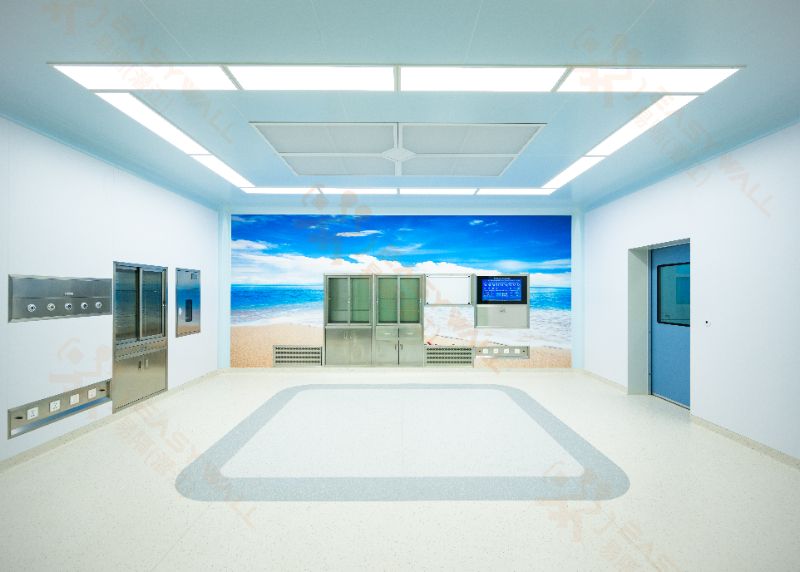
How to Choose the Right Cleanroom Panel Core Material?
 Sep. 29, 2026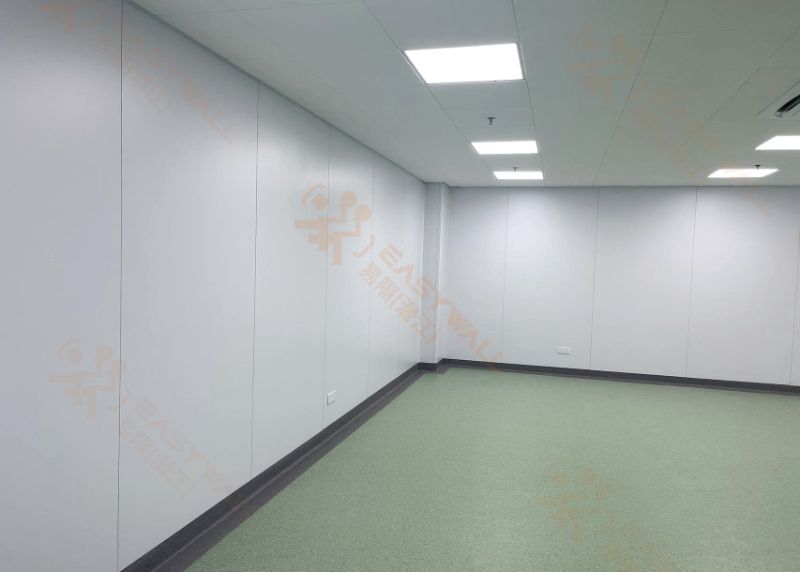
PCGI vs. Stainless Steel vs. HPL Cleanroom Panel Surface Coatings
Sep. 28, 2026 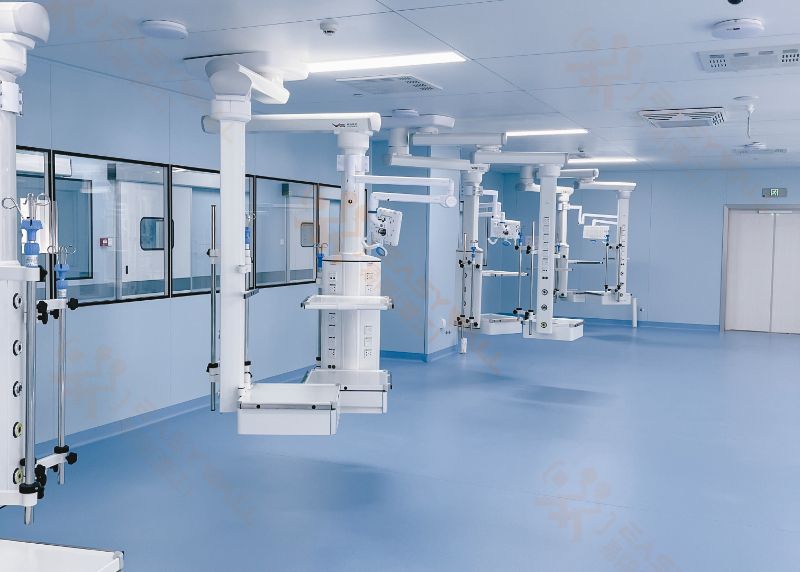
How cleanroom Panel Thickness Affects Cleanroom Performance?
Sep. 25, 2026 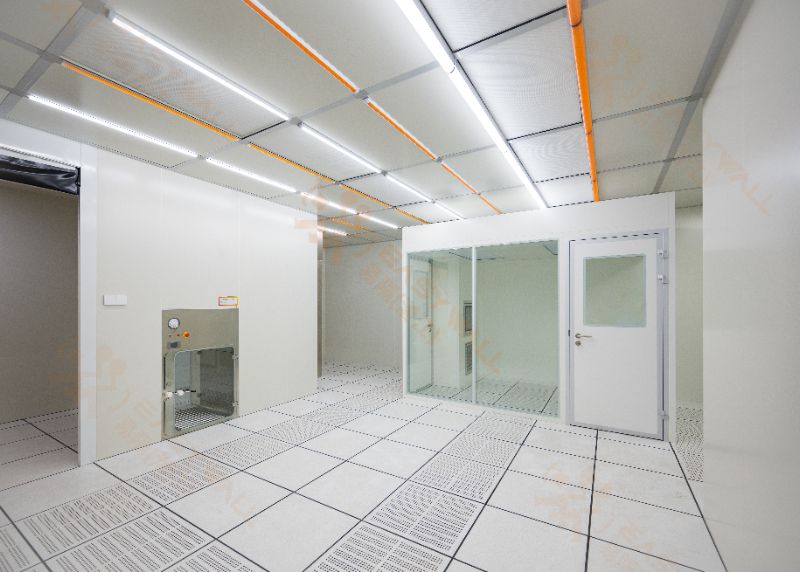
How Cleanroom Panels Support Contamination Control?
Sep. 23, 2026 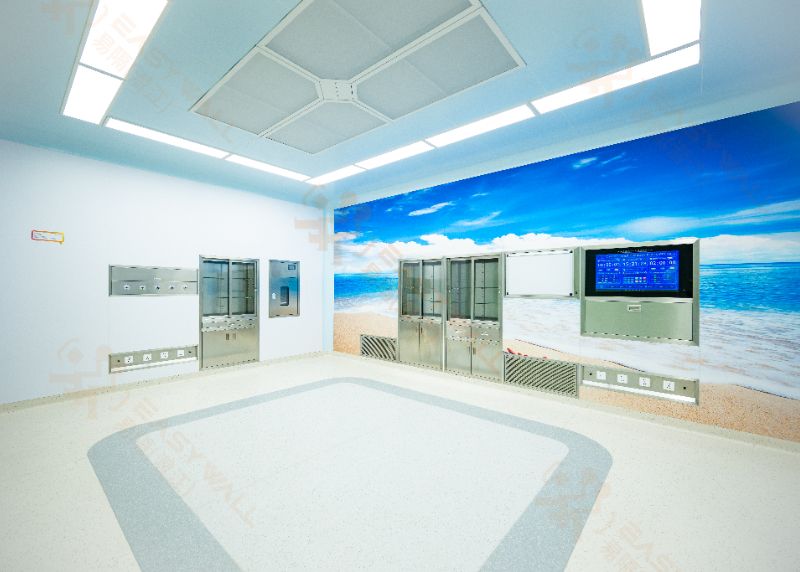
VHP Sterilization: Panel Coating Resistance
Sep. 21, 2026 Notre emplacement
n° 168, Z iguang road, Q Ian will, hu quilt, République populaire de Chine
Contact rapide
aria@easywalltec.com leo@easywalltec.comNous vous répondrons dans les 24 heures ou appelez-nous tous les jours de 9h00 à 12h00
+86 139 6255 5162
Demandez un devis
L'innovation technologique, la qualité des produits sont l'âme de l'entreprise, la demande du marché, la satisfaction des clients est la vie de l'entreprise
 English
  Chinese (Simplified)
  Russian
  Portuguese
  Japanese