The Modular Cleanroom System depends heavily on effective HVAC and airflow integration. Proper airflow management is crucial for maintaining air quality and temperature stability. A cleanroom must avoid contamination from particles, microbes, and other pollutants. Without efficient HVAC systems, these goals cannot be achieved. Therefore, understanding the integration of heating, ventilation, and air conditioning in a cleanroom is vital for businesses in industries like pharmaceuticals and electronics.

To ensure optimal performance of a Modular Cleanroom System, proper HVAC and airflow strategies are essential. Key requirements include maintaining air pressure, air changes per hour, and ensuring filtration efficiency. These elements work together to create a controlled environment that meets industry standards.
Air handling units are the backbone of any HVAC system. They filter and circulate air as needed. Having the right AHU ensures proper airflow and maintains cleanroom standards.
High-efficiency particulate air (HEPA) filters capture 99.97% of particles. These filters are crucial for achieving contamination control in sensitive environments.
Proper ductwork design is necessary to reduce airflow resistance. Optimized duct systems enhance air distribution throughout the cleanroom.
Laminar airflow provides uniform air movement, which is ideal for cleanrooms. In contrast, turbulent airflow may lead to particle dispersion, which compromises cleanliness.
Calculating ACH ensures that fresh air enters the cleanroom efficiently. For critical areas, achieving 20 to 60 ACH is typically recommended.
A positive pressure setup helps keep contamination out. Regular monitoring of pressure differentials can prevent air from entering the cleanroom from less sterile areas.
Using manometers helps in accurately measuring and adjusting the pressure differential. This is crucial for maintaining a controlled environment.
Industries must comply with certain regulations, such as ISO 14644. These standards define air cleanliness and operational parameters for cleanrooms.
Routine validation checks, including airflow patterns and filter integrity tests, are key to ensuring the cleanroom operates correctly.
In conclusion, understanding the HVAC and airflow integration requirements is essential for Modular Cleanroom Systems. By focusing on components like air handling units, filtration methods, and airflow management techniques, businesses can maintain industry standards. Effective control of air pressure and regular compliance checks are vital to ensuring a clean environment.
A modular cleanroom is a controlled environment built with prefabricated panels to maintain specific air quality and cleanliness standards.
HVAC systems control air quality, temperature, humidity, and airflow, ensuring the cleanroom environment meets strict regulations.
Most cleanrooms require between 20 and 60 air changes per hour to maintain cleanliness and control contamination.
HEPA filters are commonly used due to their high efficiency in trapping particulates.
A pressure differential refers to the difference in air pressure between the cleanroom and surrounding areas, usually maintained as positive pressure.
Performance is validated through regular testing protocols that check airflow, filtration, and compliance with regulatory standards.
Dernières actualités
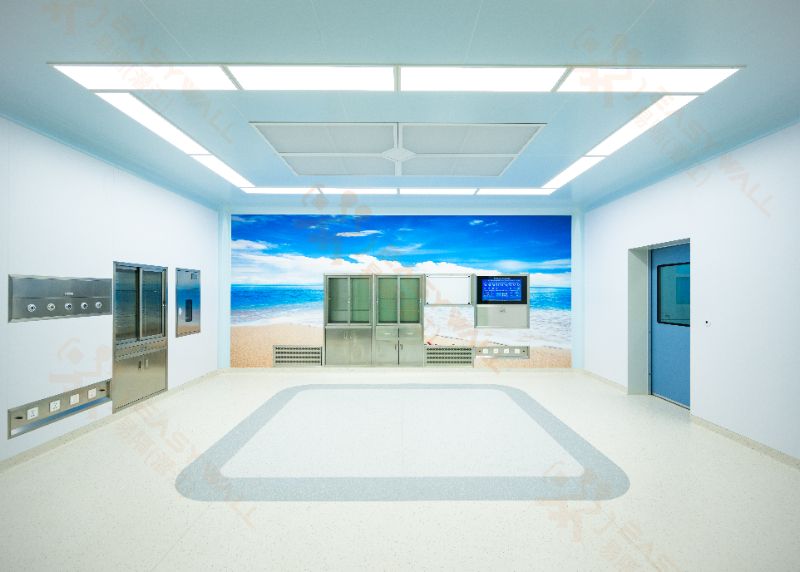
How to Choose the Right Cleanroom Panel Core Material?
 Sep. 29, 2026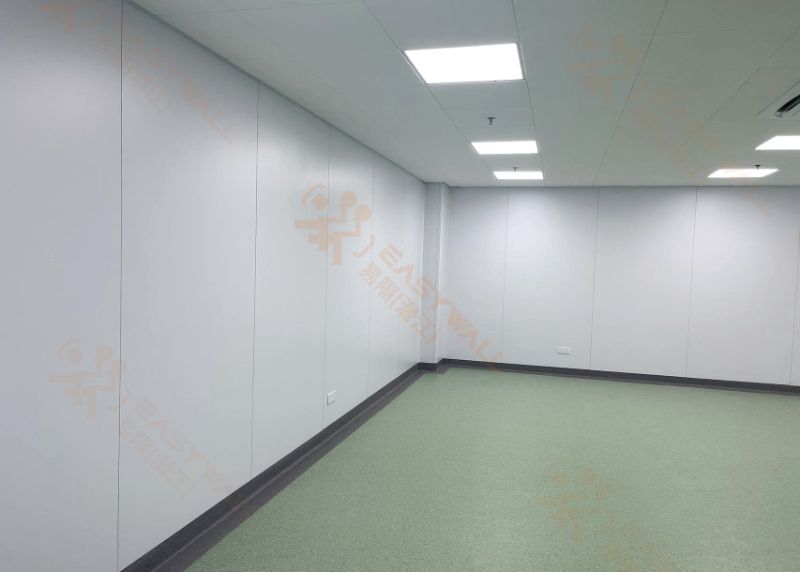
PCGI vs. Stainless Steel vs. HPL Cleanroom Panel Surface Coatings
Sep. 28, 2026 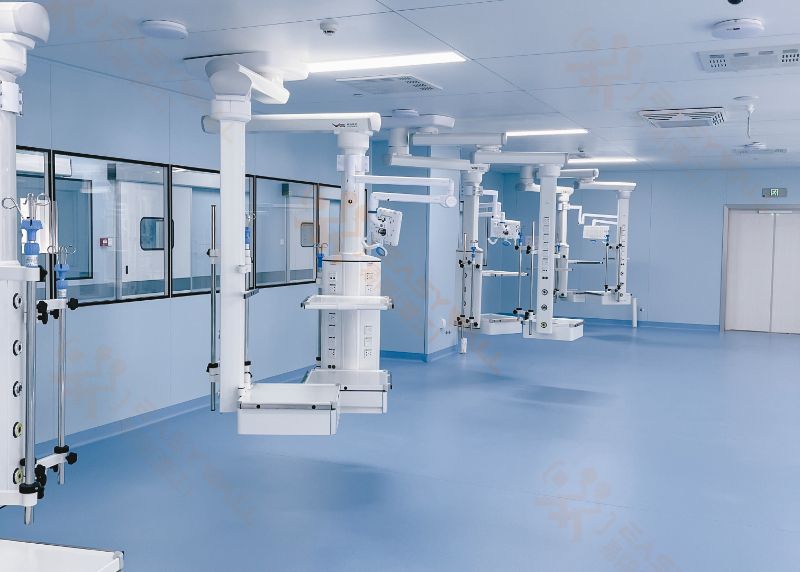
How cleanroom Panel Thickness Affects Cleanroom Performance?
Sep. 25, 2026 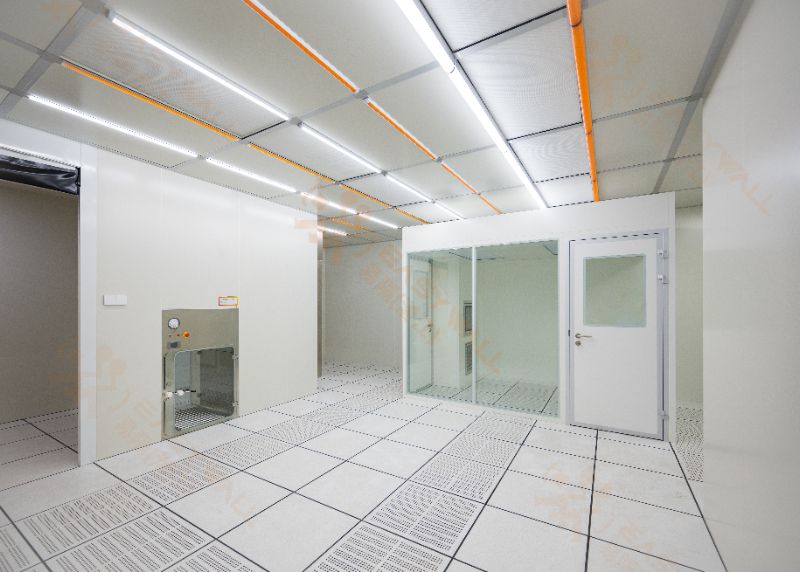
How Cleanroom Panels Support Contamination Control?
Sep. 23, 2026 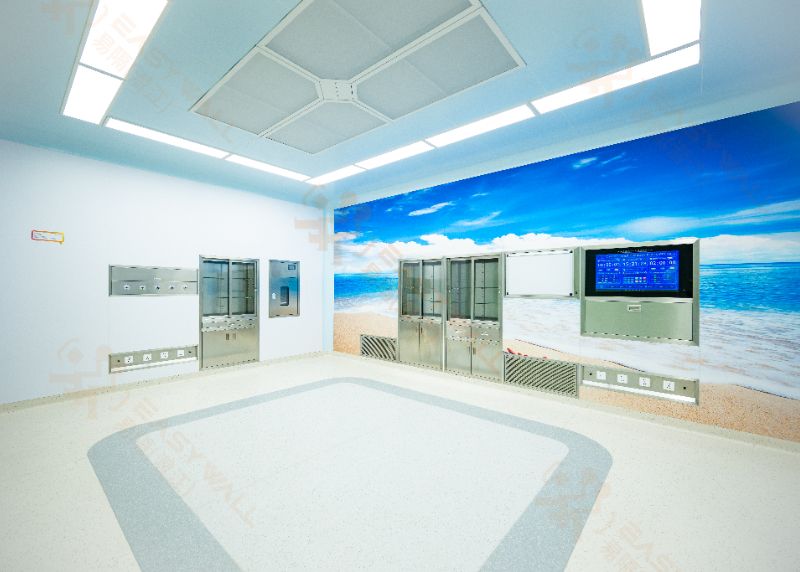
VHP Sterilization: Panel Coating Resistance
Sep. 21, 2026 Notre emplacement
n° 168, Z iguang road, Q Ian will, hu quilt, République populaire de Chine
Contact rapide
aria@easywalltec.com leo@easywalltec.comNous vous répondrons dans les 24 heures ou appelez-nous tous les jours de 9h00 à 12h00
+86 139 6255 5162
Demandez un devis
L'innovation technologique, la qualité des produits sont l'âme de l'entreprise, la demande du marché, la satisfaction des clients est la vie de l'entreprise
 English
  Chinese (Simplified)
  Russian
  Portuguese
  Japanese